

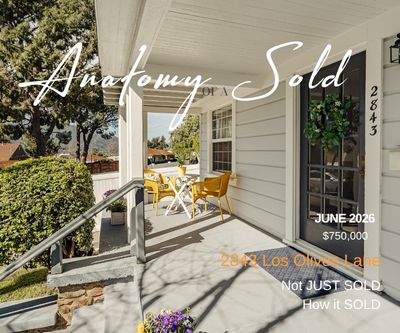
Anatomy of a Sold: How Do You Know When It’s Time to Sell a Rental Property?
Many rental property owners assume the decision to sell happens when the numbers stop working. In reality, the decision is often tied to lifestyle, retirement goals, and whether being a landlord still fits the life you want moving forward. In this Anatomy of a Sold story, Robbyn Battles, The House Agent and La Crescenta Listing Agent, helped longtime owners evaluate their options, prepare a beloved rental property for sale, and ultimately find the right buyer for 2843 Los Olivos Lane.
The sale of 2843 Los Olivos Lane in La Crescenta raised several questions many property owners face. Should you keep renting? Should you sell? Could owner financing make sense? How do you know when a rental property no longer fits your retirement plans? This story answers those questions and follows the journey from occasional conversations years earlier to a successful closing.
How Long Can a Selling Decision Take?
For this seller, the story of 2843 Los Olivos Lane in La Crescenta began long before the home ever reached the market.
Over the years, the seller would occasionally reach out with questions about the rental property. Sometimes a year would pass between conversations. Sometimes it might be 18 months. There was never any urgency. There was simply a relationship built through periodic check-ins, market questions, and discussions about what options might make sense in the future.
Those small conversations continued for five or six years before the home ever came to market.
People often tell me, “Oh, you’re Robbyn Battles, The House Agent.” That’s one of the things I love about working in the Foothill communities. Many relationships begin long before a transaction is ever on the horizon. Sometimes someone attends an open house. Sometimes they hear about me from a friend or neighbor. Other times they simply keep my name in the back of their mind until the day they need advice.
When Does a Rental Property Stop Fitting Retirement Plans?
The turning point came when the longtime tenant moved out.
At first, the conversation centered around the property itself. The home needed some paint. There were repairs to consider. Like many older homes, there were maintenance items that needed attention before a new tenant could move in.
But as we talked, it became clear that the real question had very little to do with paint, repairs, or rent.
The sellers were approaching retirement.
Like many owners of longtime rental properties, they found themselves wondering whether continuing to be landlords still fit the life they wanted moving forward. The property was owned free and clear and had served them well for years, but managing tenants, repairs, maintenance, and unexpected issues had gradually become more responsibility than they wanted to carry into retirement.
Over the next several months, we explored different options together. Could they continue renting the property? Would selling make more sense? Could they carry financing and become the bank for a future buyer while still generating income?
There wasn’t one obvious answer, and there didn’t need to be.
Expert judgment is not about telling a seller what to do. It is about helping them understand every option available so they can make the decision that best supports their long-term goals.
How Do You Evaluate All the Options Before Selling?
As we worked through the possibilities, I encouraged the seller to meet with a CPA and financial professionals. My role was to help them understand the real estate side of the decision while their advisors could help evaluate the tax and retirement implications.
Together, they reviewed the advantages and disadvantages of continuing to rent the property, carrying financing for a future buyer, or selling the home and simplifying their lives in retirement.
After weighing everything carefully, the sellers came to a conclusion that many senior homeowners eventually face. The financial benefits of continuing to hold the investment property no longer outweighed the peace of mind that would come from selling it.
Once that decision was made, we could finally focus on preparing 2843 Los Olivos Lane for the market.
How Do You Prepare a Rental Property for Sale?
This is often the part of the process sellers worry about most.
The seller lived outside the area and already had enough on their plate. The idea of coordinating inspections, vendors, cleaning crews, landscaping, repairs, staging, and all the details that come with preparing a home for sale felt overwhelming.
So I told the seller exactly what I tell many of my clients:
“Hand me the keys and let’s work through it together.”
From there, we created a plan.
We ordered a pre-home inspection before the property ever reached the market because we knew buyers would have questions about a home built in 1933. We wanted those answers available upfront rather than becoming surprises later.
We brought in a cleaning crew. We hired a gardener to maintain the property. Painting and touch-up work were completed. Simple staging touches, including furnishings and window treatments, helped soften the space and make it feel welcoming.
Just as important, we gathered reports and disclosures so buyers could understand exactly what they were purchasing before writing an offer.
The goal was never to make the home look like something it wasn’t. The goal was to help buyers appreciate what made it special.
Who Was the Right Buyer for This Home?
From the beginning, we knew 2843 Los Olivos Lane would not appeal to every buyer.
The home was a charming 1933 cottage with modest square footage. While updates had been completed over the years, there were still opportunities for future improvements. The lot also offered limited expansion possibilities.
Because of that, we never positioned the property as an investor opportunity.
Instead, we marketed the property to buyers who wanted to live in La Crescenta, appreciated character homes, and valued the neighborhood, schools, and lifestyle that come with owning a home in the community.
We knew the right buyer was out there. The challenge was giving that buyer enough time to find the property.
Why Doesn’t Strong Interest Always Lead to a Sale?
Once the home hit the market, the response was encouraging.
Showings were active. Open house attendance was strong. Buyers loved the charm and character of the property.
Yet as many sellers eventually discover, interest and commitment are not always the same thing.
Several buyers became excited about the home before ultimately stepping away. Some worried about future projects. Others received advice from family members who felt an older home represented too much work. A few buyers simply became nervous about taking on a property that wasn’t brand new.
At the same time, investor offers occasionally appeared, often with expectations that the seller would accept a steep discount simply because the property was older.
That wasn’t the strategy.
The seller understood the home’s condition. We had already disclosed the issues. The property had been priced accordingly.
Through it all, we stayed steady.
The goal wasn’t to chase every low offer or react to every buyer who walked away. The goal was to understand the buyer pool, anticipate objections, and allow the right buyer time to find the home.
What Happened When the Right Buyer Finally Arrived?
Eventually, that buyer arrived.
What made the difference was that this buyer wasn’t focused on what the property lacked. Instead, they focused on everything that made the home special.
The home’s character, location, and future potential stood out to them. They appreciated the opportunity to make improvements over time while preserving the charm that made the property unique.
Once escrow opened, the transaction moved forward smoothly.
Because buyers had access to inspection reports upfront, there were fewer surprises. Rather than spending weeks negotiating repair requests, we focused on finding common ground on price and creating a transaction that felt fair for everyone involved.
The result was a successful closing and a smooth transition for both buyer and seller.
More Than a Sale
For the seller, the most rewarding part of the transaction wasn’t simply reaching the closing table.
What mattered most was knowing the home had found someone who truly appreciated it, saw the same charm they had seen over the years, and would continue caring for the property while enjoying everything that makes La Crescenta such a special place to live.
These stories aren’t really about the houses.
They’re about the people behind them and the decisions that shape the journey from “Should we sell?” to “We closed.”
A Takeaway From Robbyn Battles
After more than 35 years helping sellers throughout La Crescenta, Montrose, Glendale, and the Foothill communities, I’ve learned that many sales begin long before a home is listed.
Often, the most important conversations happen months or years earlier. Those conversations are not about contracts or marketing. They are about retirement plans, rental properties, family goals, financial decisions, and determining whether holding a property still makes sense.
For these sellers, taking the time to explore every option created confidence in the final decision and ultimately led to a smoother sale.
Seller Takeaway
If you own a rental property and are approaching retirement, selling is not your only option. Continuing to rent, carrying financing, or restructuring your investment strategy may all be worth exploring.
The most important step is understanding your choices before making a decision. When sellers take the time to evaluate every option, they can move forward with confidence rather than uncertainty.
Through My Signature Series, Anatomy of a Sold
I share the real conversations behind selling homes in La Crescenta and the surrounding Foothill communities. These stories focus on homeowner decisions, retirement transitions, investment properties, seller guidance, and the preparation that often begins long before a home reaches the market.