

 Choosing a place to care for an aging parent is one of the hardest decisions a family will ever make, and most of us walk into it not knowing what to ask.
In this episode, I sit down with Ben Yeroushalmi of Yeroushalmi Law elder abuse attorney, a California trial lawyer who has spent his entire career representing seniors harmed by nursing home and assisted living neglect.
We get into why these facilities fail, the red flags families miss, and the practical steps that can protect someone you love. This is for adult children, caregivers, and anyone facing the crossroads of senior care who wants clear, honest guidance instead of marketing talking points, the kind that helps you recognize the warning signs of abuse and neglect before they escalate.
Watch the full episode here:
Why I Had This Conversation
So much of my audience is navigating aging parents, and I care for my own mother alongside my brother, so this topic is personal. I wanted someone who sees the worst outcomes and could tell families how to avoid them.
Ben was the right person. Since 2008 he has dedicated his entire practice to elder abuse and neglect litigation, and his breakdown of the reasons to hire an elder abuse lawyer reflects the residents of nursing homes and assisted living facilities he represents across California. What I appreciated immediately was his fairness.
He does not see this as “going after” anyone. He was clear that not all facility owners are bad actors, many are good people running hard businesses, and that nuance shaped our whole conversation.
“I don’t think of it as going after anybody. Everyone has a calling. I felt like this was mine. I wanted my time, which can be stressful, to have meaning.” — Ben Yeroushalmi
Where the Money Goes, and Why Some Facilities Fail
The first thing Ben helped me understand is that most serious problems trace back to money. In the worst-performing facilities, the funds meant for patient care are being diverted elsewhere.
He described peeling back the onion on how these entities are structured, who owns them, and where the dollars flow. Much of it is taxpayer money intended for quality care, but in poorly run facilities it gets diverted through related-party transactions to home office expenses, management fees, data processing fees, and consultant fees instead.
The result is empire building: profits pulled out to buy more facilities, which are then milked the same way. That pattern is the root of much of the nursing home neglect Ben litigates.
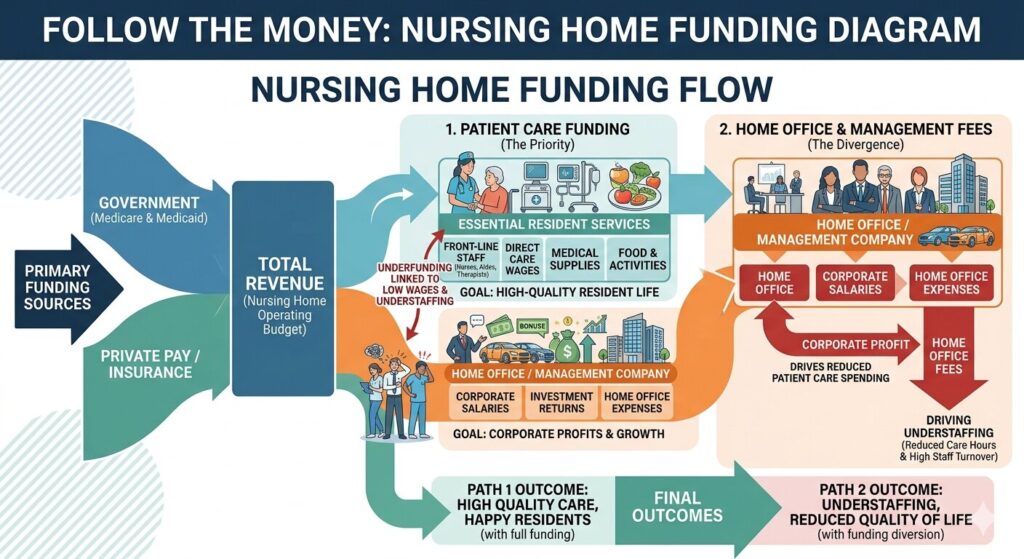
The takeaway for families: how a facility spends its money shows up directly in the care your loved one receives.
The Red Flags Families Should Look For
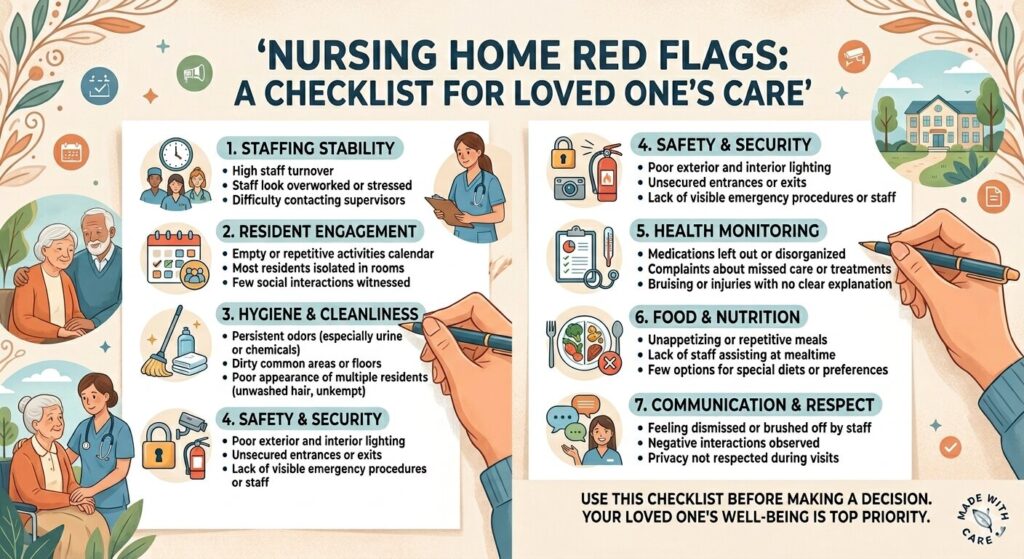
This was the most practical part of our talk, and I wanted every concrete signal Ben could give. He walked me through what to check before placing a loved one.
“The marketing departments are fabulous at selling you the best space of the facility when you go the first time. But it’s important to also go at night and see how they’re staffed, what it smells like, and what your gut tells you when the marketing director isn’t there with the talking points.” — Ben Yeroushalmi
His tactical advice for choosing a senior care facility came down to a few things:
- Check public ownership records — the larger the chain, the bigger the red flag.
- Use the Medicare.gov “Nursing Home Compare” tool — review star ratings and citation history.
- Know the difference between deficiencies and citations — citations are more serious and come with class levels.
But records only go so far. Annual state inspections are predictable, so facilities “staff up” when surveyors are expected. The real test when choosing a senior care facility is visiting at different times, especially at night, and trusting what you sense.
Understaffing, Acuity, and the Misplacement Trap
Ben explained that the common thread in his nursing home cases is understaffing in nursing homes. California sets a minimum of roughly 3.5 nursing hours per patient per day, but the minimum is just that, a floor that facilities run right up against.
When a worker calls out and no one covers, a facility staffed only to the minimum drops below it. Worse, the law requires staffing based on acuity, the real needs of residents, yet high-acuity patients draw higher reimbursement. So the incentive becomes filling beds with high-need residents while hiring as little staff as possible, which is exactly how understaffing in nursing homes takes hold, and why a California nursing home abuse lawyer like Ben pursues these cases.
“Just because the answer was yes yesterday doesn’t mean the answer is yes two weeks from now. Especially with the elderly, they can decline not just over time but sometimes suddenly.” — Ben Yeroushalmi
In assisted living, Ben said the bigger theme is not understaffing but assisted living misplacement: when a resident’s needs exceed what the facility is licensed to provide, and greed or fraud keeps them there anyway.
He gave a sobering example of a stage-three bed sore being deliberately underclassified to avoid discharging a patient. The mistake to avoid with assisted living misplacement is assuming a placement that fit at admission still fits months later.
What Changed for Me After This Conversation
“Part of the savings we plan for should be having enough money to age in place, at home, with family or caregiver support. It’s a cultural change. The worst thing is being in these settings when it’s not necessary.” — Ben Yeroushalmi
That reframed how I think about retirement planning. We save for pensions and IRAs, but Ben made the case that planning for aging in place deserves the same intention, structuring finances and housing early so home care stays an option.
I also walked away convinced that advocacy is everything. My brother and I know how to ask questions for our mother, but Ben reminded me how many seniors have no one in their corner, or family who simply do not know what to ask. It is part of why I share resources for seniors and their families whenever I can.
Now I tell people two things: educate yourself before the crisis, and make these decisions as a family. The parent who fears “making the doctor mad” needs someone willing to ask the hard questions on their behalf, because aging in place only stays possible when someone plans and advocates for it early.
Common Questions From Families
What are the biggest red flags when choosing a nursing home?
Ben points to chain ownership (the larger the chain, the bigger the concern), low staffing star ratings, and a heavy citation history, all checkable on Medicare.gov. Beyond records, he stresses visiting at different times, especially at night, and trusting your instincts about cleanliness, smell, and staffing.
What is the difference between a nursing home and assisted living?
Nursing homes (skilled nursing facilities) are heavily regulated under federal and state law and provide medical care. Assisted living is far less regulated and ranges from small board-and-care homes to large chains. Ben notes assisted living is typically private pay, while nursing home stays are often covered by Medicare or Medicaid.
When should a family contact an elder abuse attorney?
Ben says families usually reach out after a neglected bed sore or infection, repeated falls with fractures, head injuries, or a loved one admitted to the hospital dehydrated, malnourished, or in unsanitary conditions. Often a hospital worker, as a mandated reporter, is the first to flag suspected neglect.
How can I tell if a facility is properly staffed?
California sets a minimum of roughly 3.5 nursing hours per patient per day, and staffing ratios are supposed to be posted daily. But Ben says the real test is instinct: spend an hour walking the floors, see how many staff are actually helping residents, and talk to them, overwhelmed or frustrated workers will often tell you the truth.
What is “misplacement” in assisted living, and why is it dangerous?
Misplacement happens when a resident’s care needs grow beyond what the facility is licensed to provide, yet they are kept there anyway. Ben explains that assisted living facilities are legally required to reassess whether they can safely care for a resident, and the danger comes when greed, or outright fraud, keeps someone in a setting that can no longer meet their needs.
This One Hit Close to Home?
Caring for aging parents is one of the hardest things families face. If this conversation gave you something useful, follow along, there’s more straight talk where this came from.
💼 Connect with Ben Yeroushalmi:
🌐 Website
🎧 Follow Robbyn Battles:
🌐 Website
Apply to Be a Guest on the I’m Just Saying Podcast
The hardest conversations, aging, caregiving, and how we protect the most vulnerable, deserve honest voices and a wider audience. Too often the people with real expertise stay quiet, and the families who need their guidance never hear it. This show exists to change that, to get straight to the point on the things that actually matter.
I built this podcast for candid, practical conversations that leave listeners with something they can use, whether that is a question to ask, a red flag to watch for, or a decision they feel more confident making. If you have hard-won knowledge and a willingness to share it honestly, there is a seat here for you.
If you work in law, healthcare, senior care, real estate, or any field that helps people navigate life’s biggest decisions, I would love to have you on the show. Learn more about the Icons of Real Estate podcast network.