

 Equity rich, cash poor. It’s a familiar situation for longtime La Crescenta homeowners. Your house may be worth considerably more than you paid for it, yet the money you need to prepare for a sale is tied up in the property. How Can I Get the Money to Prepare My Home for Sale Without Taking Out a Loan Against My Property? How do you pay for painting, repairs, staging, or even temporary housing when you don’t have the cash available? Robbyn Battles, The House Agent, introduces homeowners to a financing option through Notable that can help solve this very problem. Eligible sellers can access funds before selling, without taking out a home equity loan or HELOC and without recording a new lien against their property.
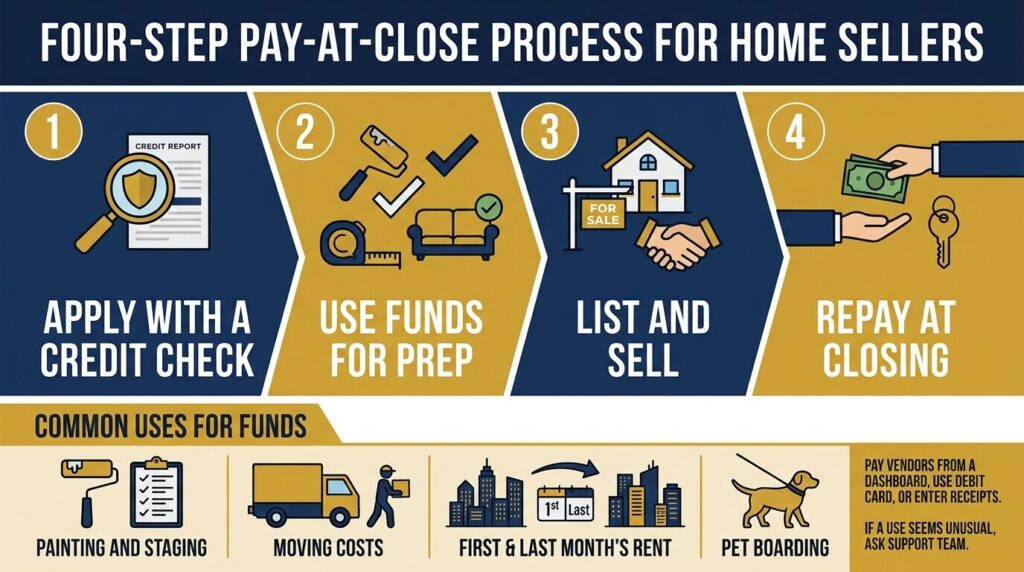
Here’s where the conversation gets interesting. Notable uses a soft credit inquiry to check eligibility, and approved homeowners can use financing for more than the typical repairs and staging. Moving expenses, temporary rental housing, and even pet care may qualify. The money can generally be repaid when the house sells, subject to the financing agreement. It sounds almost too good to be true, but this is a real financing option with interest, fees, and repayment terms homeowners should understand. For La Crescenta and La Cañada homeowners who have substantial equity but limited cash, it’s worth learning about before deciding what they can or cannot afford to do.
On I’m Just Sayin’ | Let’s Get to the Point with Robbyn Battles, Amorah Sandberg, Chief Revenue Officer at Notable, explains how the program works, why homeowners hesitate to borrow, and some surprisingly practical ways sellers have used the financing. The conversation goes beyond home improvements to address one of the biggest obstacles to selling: finding the money to make the move possible in the first place.
How Does Notable Unsecured Financing Work for La Crescenta Homeowners?
Notable provides unsecured financing that eligible homeowners can use for approved expenses associated with preparing and selling a property. Unlike a home equity loan or HELOC, the program discussed in the interview does not require recording a mortgage lien against the house. Homeowners do not have to refinance their existing mortgage to access the financing.
During the podcast, Amorah explains several features that make the program particularly interesting to sellers:
- Soft credit inquiry: Homeowners can explore eligibility through a soft credit check rather than an initial hard credit inquiry. A soft inquiry does not affect the credit score and is not visible to other lenders as a hard application inquiry.
- Financing up to $50,000: The amount available depends on approval and current program qualifications.
- No mortgage lien: The financing is unsecured, so the program described does not record a new lien against the property.
- Pay for eligible expenses before selling: Funds can be used for approved improvements and other qualifying sale-related costs.
- Repayment generally at closing: Borrowed funds and applicable financing costs are typically repaid from the sale proceeds, although other repayment deadlines and triggers apply.
- Interest on funds used: Borrowers pay interest on amounts drawn, subject to the financing agreement.
That last point matters. Notable is financing, not free money or an actual withdrawal of home equity. Homeowners are borrowing based on program eligibility, with the expectation that the sale proceeds can help repay the balance. Current rates, fees, and terms should be reviewed before accepting financing.
Watch Robbyn Battles and Amorah Sandberg discuss how Notable works:
Why Are So Many Homeowners Equity Rich but Cash Poor?
For homeowners who have lived in La Crescenta, La Cañada Flintridge, or Montrose for decades, the property’s value may have increased substantially. That equity represents wealth, but it does not automatically provide cash for everyday expenses or the costs associated with selling.
This becomes especially important for seniors living on retirement income, homeowners managing an inherited property, and people who need to relocate before their current home sells. They may have considerable equity but limited cash available for repairs, moving expenses, or the deposit on their next residence.
Traditional home equity financing is not always an attractive or available solution. Some homeowners may not qualify based on income or credit requirements. Others do not want to refinance, record a lien, pay additional closing costs, or take on a longer-term loan when they intend to sell the property shortly.
Amorah and Robbyn discuss another concern: some homeowners are uncomfortable borrowing money at all. They may have spent years paying off their mortgage and do not want to introduce new debt. Understanding the difference between unsecured short-term financing and a traditional mortgage is an important part of evaluating the available options.
What Unexpected Expenses Can La Crescenta Homeowners Use Notable Financing For?
One of the most interesting parts of the conversation with Amorah is how many expenses can arise before a homeowner receives the proceeds from selling. Painting and staging are familiar examples, but the financial challenges of moving often extend far beyond the condition of the house.
Depending on Notable’s current eligibility requirements, the financing may help cover expenses such as:
- Painting and cosmetic improvements: Fresh paint, minor repairs, and updates that improve the property’s presentation.
- Professional staging: Furniture, accessories, and presentation services before photography and showings.
- Moving companies: Professional movers, packing services, and other approved relocation expenses.
- Temporary housing: Rental housing while the property is being prepared, marketed, or sold.
- First and last month’s rent: Qualifying expenses associated with securing the next residence before the current home closes.
- Pet care: Pet boarding, pet sitting, or other eligible arrangements while work is completed or the house is shown.
- Unexpected repairs: Plumbing, maintenance, or other approved repairs discovered during preparation or inspections.
Consider a longtime La Crescenta homeowner preparing to move into a retirement community. The new residence may require deposits and rent before the existing house sells. Meanwhile, the house needs painting, cleaning, and perhaps a few repairs. The challenge is not necessarily the owner’s total wealth. It is having access to funds when those expenses come due.
Or consider a trustee preparing an inherited home for sale. The property may need cleaning, repairs, and staging, but the trustee may not have ready access to estate funds for those expenses. Before using any financing, the trustee would need to confirm borrowing authority, eligibility, and how repayment would be handled.
These are examples of why financing deserves consideration as part of a broader selling plan. Not every expense is automatically eligible, and homeowners should confirm unusual uses with Notable before spending.
Can Preparing a Home Before Selling Really Make a Financial Difference?
Amorah shares Notable’s experience with homeowners who use financing for painting, staging, and repairs. According to the company data she discusses, preparation spending has been associated with a return of approximately four dollars for every dollar invested. That is a company-reported figure, not a guaranteed result for any individual seller.
The more important question for La Crescenta and La Cañada homeowners is whether a particular improvement makes sense for their property and price range. Spending money without a plan can be just as problematic as avoiding improvements that would meaningfully affect buyer interest.
Some homes benefit from relatively modest cosmetic work. Others have larger maintenance issues that deserve attention before buyers begin their inspections. And some properties are better marketed in their existing condition, especially when the cost or disruption of improvements outweighs the expected benefit.
Watch Amorah explain Notable’s experience with preparation spending:
How Can Notable Financing Help Seniors and Owners of Inherited Homes?
For a senior homeowner, preparing to sell often involves much more than deciding what color to paint the walls. There may be decades of belongings to organize, repairs that have been postponed, and arrangements to make for the next residence. When available cash is limited, even manageable expenses can make the transition feel overwhelming.
During the podcast, Amorah shares the story of a widow who had lived in her home for approximately 60 years. After losing her husband, she planned to move into senior living. Her agent identified needed repairs, including foundation and plumbing concerns, and helped coordinate the work.
According to Amorah’s account, the seller used approximately $35,000 in Notable financing and ultimately sold the home for about $100,000 more than she initially expected. The financing also helped cover temporary living arrangements while the property was prepared.
This is one individual experience, not a promise of similar financial results. What makes the story valuable is the way access to funds helped address several obstacles at once: repairs, relocation, and the timing of the sale.
For inherited properties in La Crescenta, Montrose, or La Cañada, the circumstances can be different but the questions are similar. Who will coordinate the work? How will expenses be paid? What is necessary before marketing? And how can the process be managed without creating unnecessary financial pressure?
How Does Robbyn Battles Help Sellers Decide What Work Is Worth Doing?
Access to financing does not mean every homeowner should spend $50,000 preparing a property. The first step is understanding the seller’s priorities, the property’s condition, and the expectations of buyers in the immediate neighborhood.
Robbyn Battles approaches preparation by asking what the homeowner wants to accomplish. Is the priority a higher sale price, a shorter timeline, fewer disruptions, or a combination of those goals? How much work is the homeowner comfortable coordinating? What expenses are reasonable given the property’s expected market position?
In the interview, Robbyn describes a project involving a limewashed wall and a contractor chosen by the seller. What appeared to be a simple cost-saving decision resulted in additional coordination and delays. The experience reinforced the importance of discussing budgets, contractor expectations, and the scope of work before projects begin.
Some improvements deserve attention because they influence the first impression of a property. Others involve maintenance concerns, including water drainage, plumbing, or deferred repairs. Each decision should be evaluated against the cost, available time, and likely buyer response.
The objective is not to create a long renovation list. It is to develop a preparation strategy that fits the individual home and the homeowner’s circumstances.
How Can Cash-Poor Homeowners Cover Preparation Costs Before Closing?
Homeowners with limited available cash generally have several choices. They can sell the property in its current condition, reduce the scope of improvements, use available funds, or consider financing that allows eligible expenses to be paid before the sale.
Notable introduces an additional option for qualifying sellers who do not want to pursue a traditional home equity loan or HELOC. Because the financing is unsecured, it does not require placing a new mortgage lien against the property under the program described by Amorah.
However, the convenience of financing needs to be weighed against its cost. Homeowners should understand the interest rate, fees, repayment deadline, and what happens if the property does not sell as planned.
The question is not simply whether financing is available. It is whether using a portion of the anticipated sale proceeds to cover expenses today makes financial sense for the seller.
What Questions Should La Crescenta Home Sellers Ask Before Using Notable?
- How much financing would I qualify for, and what expenses are eligible?
- Will the initial application affect my credit score?
- Does the financing require a lien against my property?
- What interest rate and fees will apply to the amount I actually use?
- When must the borrowed money be repaid?
- What happens if I decide not to sell or the property takes longer than expected to sell?
- Which improvements or moving expenses should I prioritize before drawing funds?
These questions help homeowners compare the convenience of unsecured financing with its financial obligations. Program details can change, so borrowers should rely on current written terms rather than assuming every feature discussed in the podcast remains unchanged.
Frequently Asked Questions About Selling a Home Without Paying Expenses Up Front
Can I use Notable financing if I have substantial home equity but limited cash?
Notable may be an option for eligible homeowners who need funds for approved expenses before selling. Approval depends on the program’s credit and eligibility requirements, not simply the amount of equity in the property.
Will applying for Notable financing hurt my credit score?
Amorah explains that the initial eligibility check uses a soft credit inquiry, which does not affect the credit score. Homeowners should confirm the current credit-reporting terms and whether any subsequent steps involve additional inquiries.
Does Notable place a lien against my La Crescenta home?
The unsecured financing program described in the interview does not record a mortgage lien against the property. It is different from a home equity loan or HELOC, although the borrower remains responsible for repayment.
Can Notable help pay for temporary housing or moving expenses?
Amorah discusses temporary rentals, moving expenses, and pet-related services among the possible uses. Homeowners should verify that their intended expenses qualify under the current program rules.
What happens if my home doesn’t sell?
The obligation to repay borrowed funds remains even if the home does not sell. Notable’s agreement determines the repayment deadline and circumstances that may require earlier repayment.
Do I pay interest on the full approved amount?
Amorah explains that interest is charged on funds used rather than the entire available credit amount. Borrowers should also review applicable fees and the method used to calculate interest.
Should I make repairs before selling my La Crescenta home?
Not every property needs extensive preparation. The decision depends on condition, buyer expectations, pricing, and the homeowner’s timeline. A property-specific preparation plan can help distinguish worthwhile improvements from unnecessary expenses.
Where Can La Crescenta Homeowners Learn More About Notable Financing?
For longtime homeowners, seniors considering a move, or trustees preparing an inherited property, understanding the available options can change how a future sale is planned. The conversation with Amorah Sandberg introduces one financing solution worth exploring when equity is substantial but available cash is limited.
Robbyn Battles, The House Agent, works with homeowners throughout La Crescenta, La Cañada Flintridge, Montrose, Glendale, and neighboring communities to evaluate preparation, timing, and the financial decisions involved in selling.
To learn more about the financing program, visit Notable or connect with Amorah Sandberg on LinkedIn. For additional homeowner resources, visit The House Agent.
Follow Robbyn Battles on YouTube, Instagram, Facebook, and LinkedIn.
Have questions about preparing a home for sale or whether Notable financing could fit your situation? It starts with a conversation.
Apply to Be a Guest on the I’m Just Sayin’ Podcast
Have practical experience that could help homeowners make better real estate decisions? Share your perspective on the podcast.
This podcast is produced by the Icons of Real Estate – #1 Real Estate Podcast Network. If you are a real estate professional, apply to be a guest speaker across the network.